Grand Off-Road Expedition in Morocco: From Merzouga to Foum Zguid and Tata Along the Historic Paris-Dakar Rally Tracks
NOMAD EXPEDITION | 4×4 Adventures in the Sahara Desert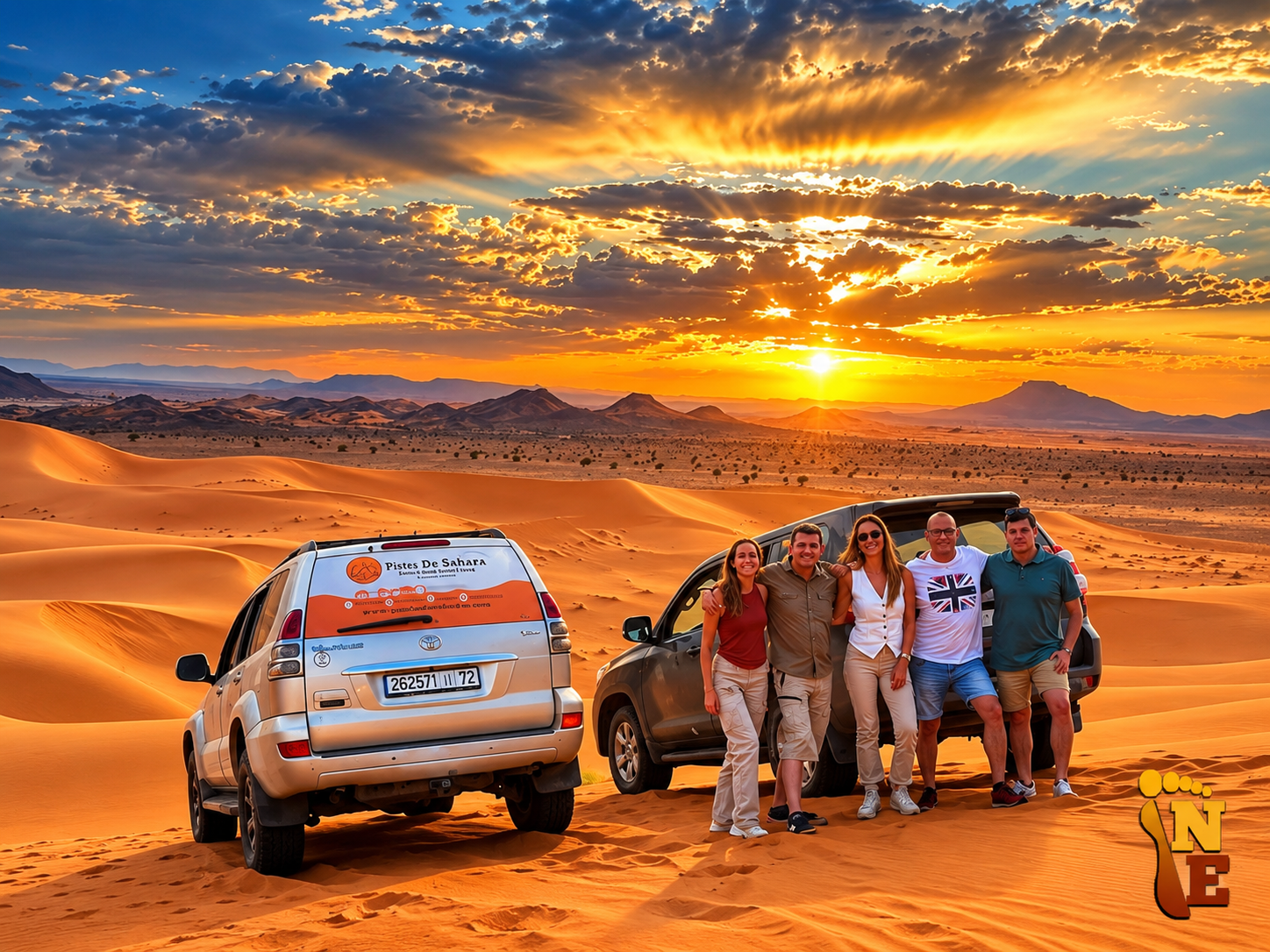
Frequently Asked Questions: Off-Road Route from Merzouga to Erg Chegaga, Foum Zguid and Tata
At NOMAD EXPEDITION, we answer the most frequently asked questions from travellers who wish to embark on an expedition along the historic tracks of the Paris-Dakar Rally, passing through Merzouga, Erg Chebbi, Erg Znagui, Erg Ouzina, Ramlia, Tafraoute Sidi Ali, Zagora, M’Hamid, Erg Chegaga, Lake Iriki and Foum Zguid, with the possibility of continuing the adventure to Tata.
1. What does the Off-Road route from Merzouga to Foum Zguid involve?
This is an expedition through the Moroccan Sahara, combining desert tracks, sandy sections, rocky trails, dry riverbed crossings and connecting stretches of paved road.
The journey offers the opportunity to discover some of the most impressive dune fields in southern Morocco, small oases and traditional villages, while travelling through landscapes closely associated with the history of great African adventures.
One of the main highlights of this route is the remarkable diversity of landscapes, from the spectacular dunes of Merzouga to the vast plains of Lake Iriki and the mountains surrounding Foum Zguid.
2. How long does an Off-Road expedition from Merzouga to Erg Chegaga and Foum Zguid take?
The duration depends on the chosen itinerary, track conditions, weather conditions and the amount of time dedicated to sightseeing and exploration.
As a general guide, we suggest:
- 4 to 5 days: A faster crossing, with more demanding driving days and fewer stops.
- 6 to 7 days: The recommended option for enjoying the main landscapes and exploring the region at a relaxed pace.
- 8 to 10 days: A more comprehensive expedition, allowing more time in the desert and the possibility of continuing towards Tata.
For travellers who wish to enjoy both the driving experience and the cultural discoveries without rushing, we recommend allowing at least six or seven days.
These durations are approximate guidelines for planning the journey rather than fixed itineraries.
3. What is the best time of year for this adventure in the Moroccan desert?
The most recommended seasons are autumn, winter and spring, particularly from October to April.
During these months, temperatures are generally more comfortable for driving, walking among the dunes and enjoying outdoor activities.
In the middle of winter, nights can become very cold, while summer daytime temperatures can reach extreme levels.
Although rainfall is relatively uncommon, heavy rain can significantly change the conditions of dry riverbeds, desert tracks and Lake Iriki.
4. What do I need for an Off-Road expedition in Morocco?
To enjoy your adventure comfortably and safely, we recommend bringing:
- A valid passport and the necessary entry documents according to your nationality.
- A valid driving licence appropriate for the vehicle you will be using.
- Travel insurance covering Off-Road activities, medical assistance and emergency evacuation.
- Lightweight, breathable clothing for daytime and warm clothing for the evenings.
- Comfortable, durable footwear.
- Sunglasses, a hat, sunscreen and a scarf to protect yourself from dust.
- Personal medication and a small first-aid kit.
- A mobile phone, charger, power bank and photography equipment.
- Compact luggage suitable for travelling along desert tracks.
Travellers participating with their own vehicles must also carry the necessary documentation, insurance and authorisations required to drive in Morocco.
5. Is it necessary to travel in a 4×4 vehicle?
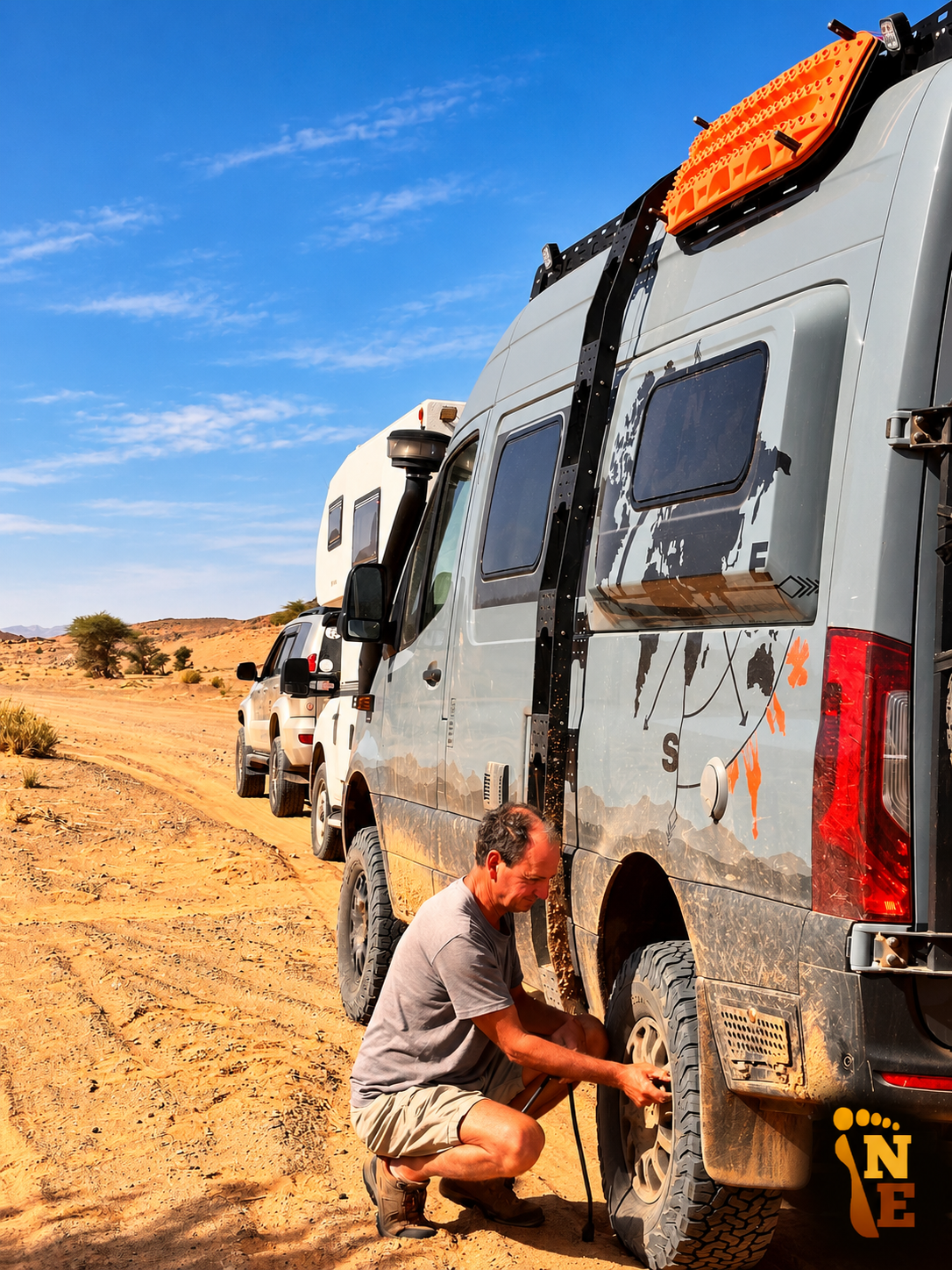
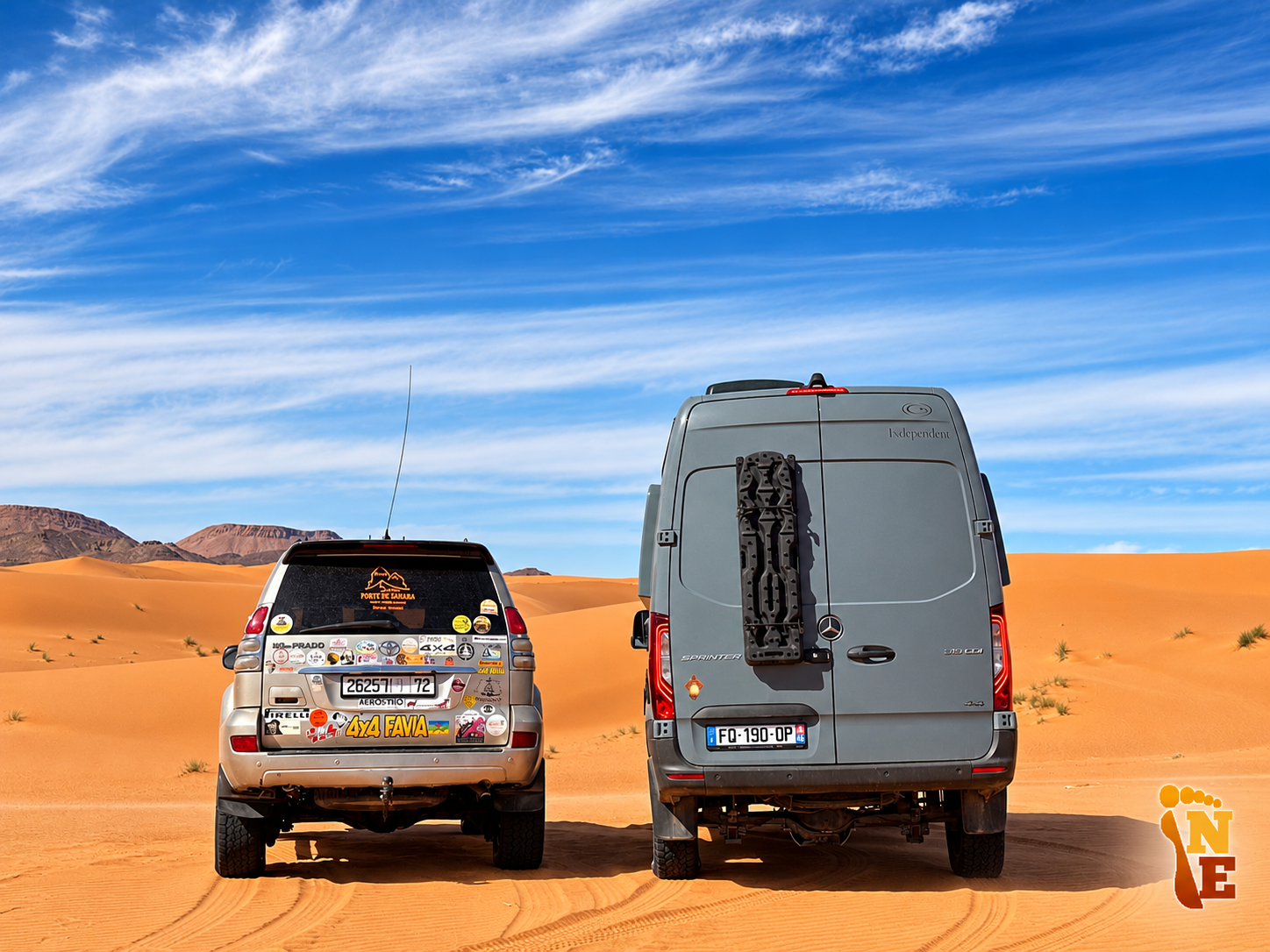
Yes. To complete the sections of desert tracks and dunes included in this expedition, a suitable 4×4 off-road vehicle is essential, preferably equipped with low-range gearing, appropriate tyres and sufficient driving range.
The itinerary includes areas where a conventional passenger car would not be able to travel safely.
Knowledge of sand driving, navigation, vehicle recovery techniques, and fuel and water management is also essential.
For the most remote sections, we recommend travelling with experienced local support and carrying appropriate communication equipment.
6. Is it difficult to drive along the historic Paris-Dakar Rally tracks?
The level of difficulty varies depending on the terrain and current conditions.
Some sections are relatively easy to navigate, while others may involve deep sand, rocky terrain, corrugated tracks, dry riverbeds and poorly defined trails.
The crossing near Ramlia and the Oued Rheris can be particularly challenging after rainfall or when the sand is very soft.
This route should never be approached as a competition. The priority must always be to drive carefully, respect the environment and adapt the itinerary to the participants’ level of experience.
7. Does the expedition follow the exact original Paris-Dakar Rally tracks?
The itinerary follows historic routes through southern Morocco and sections traditionally associated with the former African routes of the Paris-Dakar Rally.
However, the rally stages changed from one edition to another, and there is no single continuous track that reproduces all the historic routes.
Furthermore, some tracks may have changed, become restricted or developed conditions very different from those of previous years.
Therefore, this expedition is inspired by the adventurous spirit of the legendary Paris-Dakar Rally, rather than being an exact recreation of an official rally route.
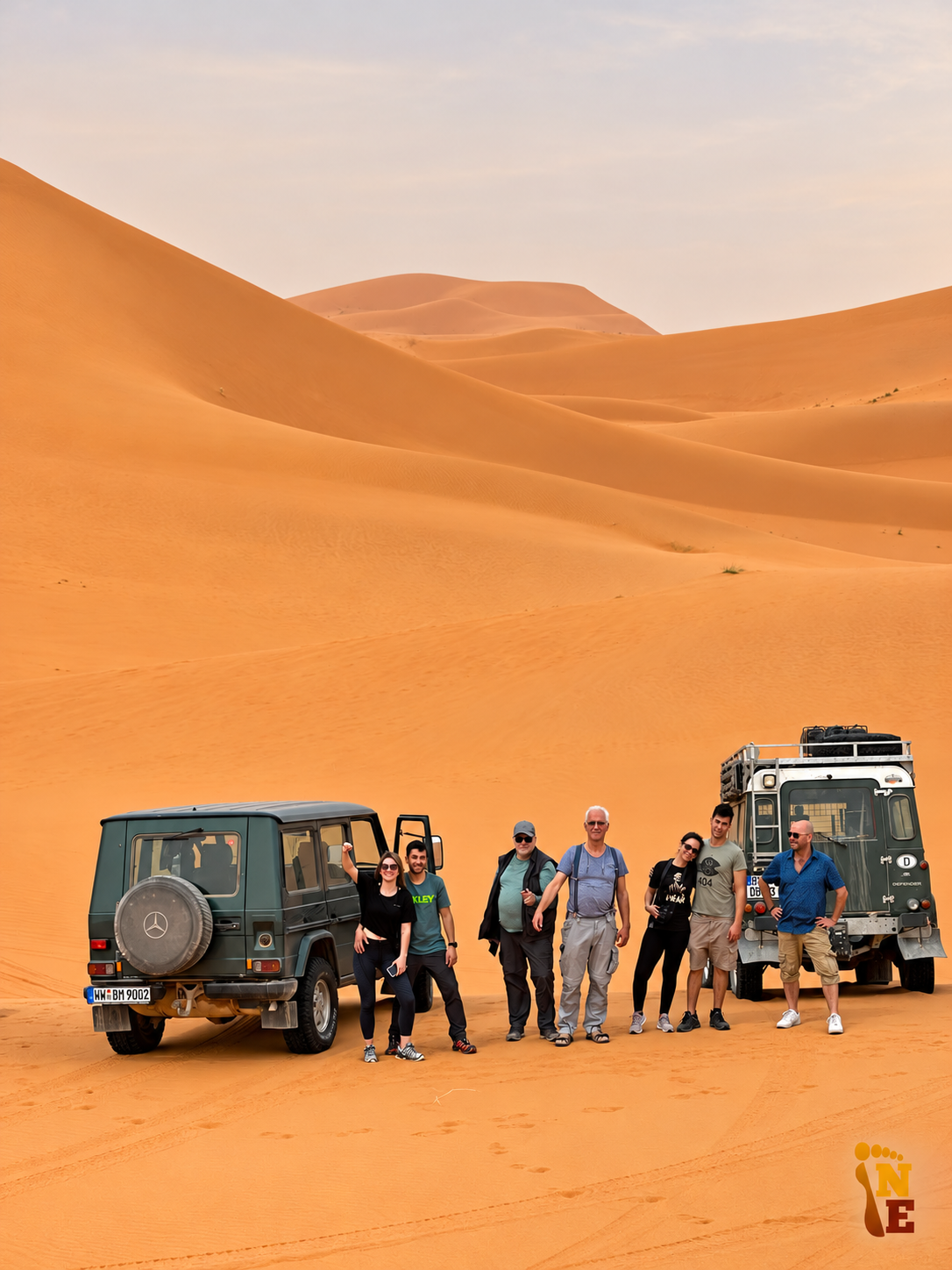
8. What Makes the Erg Chebbi Desert So Special?
Erg Chebbi is one of the most impressive natural attractions in southeastern Morocco.
Its magnificent golden sand dunes, located near Merzouga, offer breathtaking landscapes, especially at sunrise and sunset.
It is an ideal destination to begin your desert adventure, enjoy photography, discover the traditional culture of the Sahara and admire the spectacular star-filled night sky.
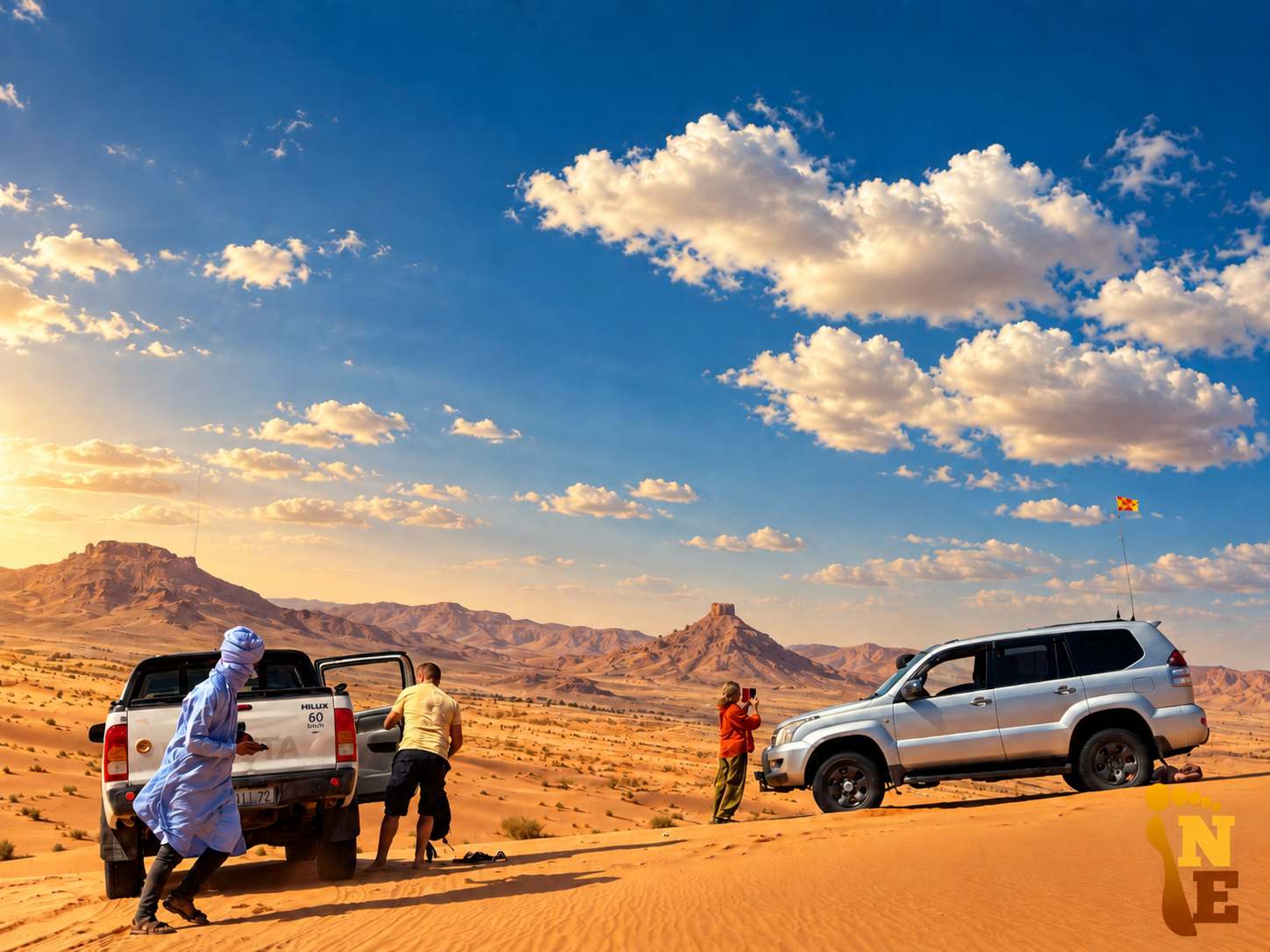
9. What Can We Discover in Erg Znagui and Erg Ouzina?
These areas offer the opportunity to explore a quieter and less-visited part of the Sahara Desert.
Erg Znagui features beautiful sandy landscapes near the Merzouga region, while Erg Ouzina is known for its impressive dunes, mountains and small traditional villages.
These destinations are ideal for travellers seeking nature, tranquillity, silence and an authentic connection with the traditional way of life in the Sahara.
10. What Is the Oued Rheris and Why Is It So Well Known Among Off-Road Travellers?
The Oued Rheris is a watercourse in southeastern Morocco that flows through arid regions and whose riverbed can remain dry for extended periods.
Near Ramlia, Off-Road enthusiasts encounter a challenging area known for its sandy terrain, shifting riverbeds and demanding driving conditions.
Although the area may be passable under favourable conditions, after rainfall it can contain water, deep mud or crossings that become completely impassable.
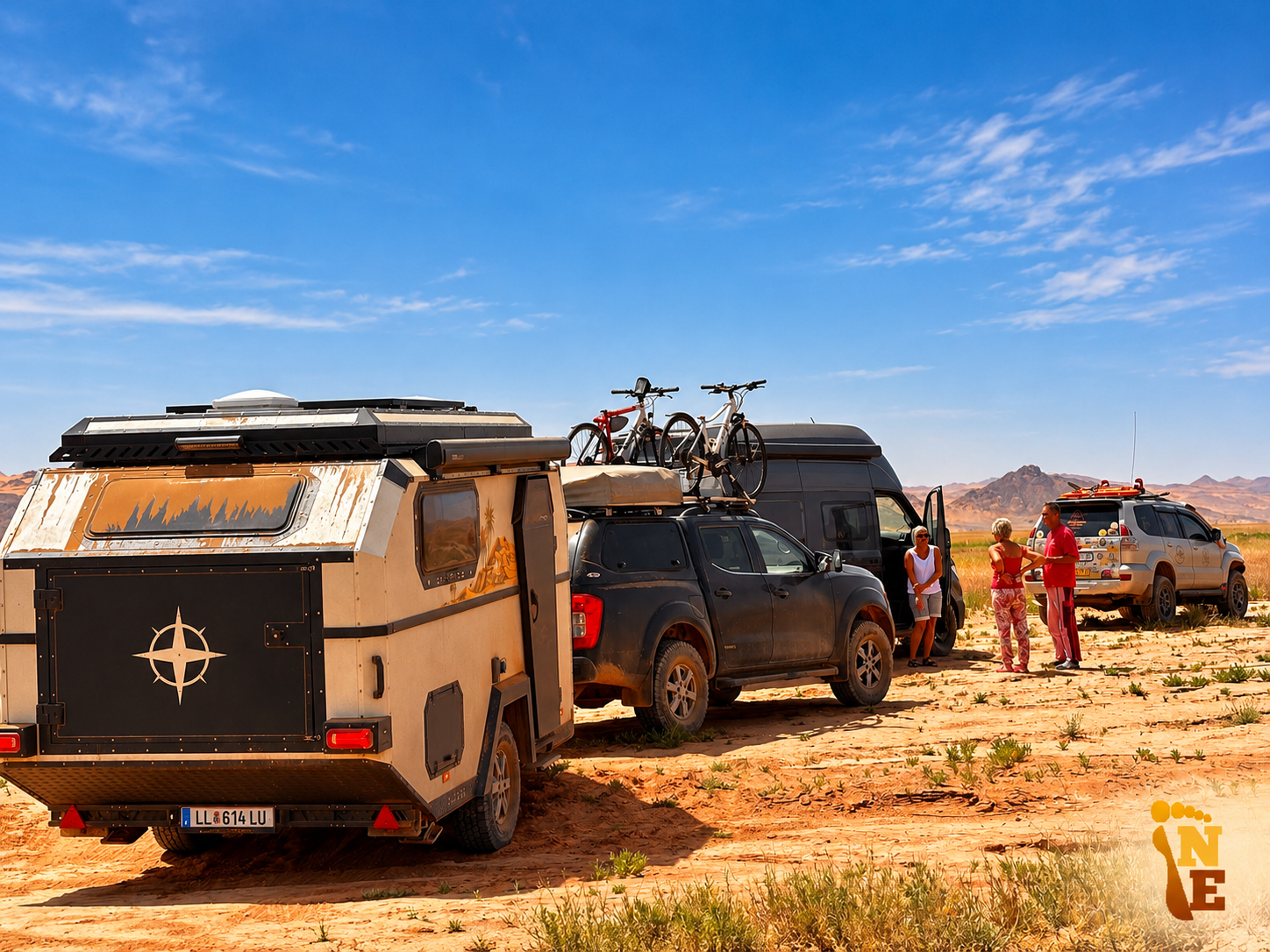
Never attempt to cross a flooded riverbed or assume that a crossing used previously is still safe.
11. Why Are Ramlia and Tafraoute Sidi Ali Worth Visiting?
Both destinations offer an authentic glimpse into traditional life in the Moroccan Sahara.
Ramlia stands out for its remote location and its unique setting surrounded by vast sandy landscapes and desert plains.
Tafraoute Sidi Ali, on the other hand, offers the opportunity to explore remote desert tracks, spectacular mountain scenery and small traditional communities far from the most popular tourist routes.
These destinations are particularly appealing to travellers who appreciate nature, photography and authentic cultural experiences.
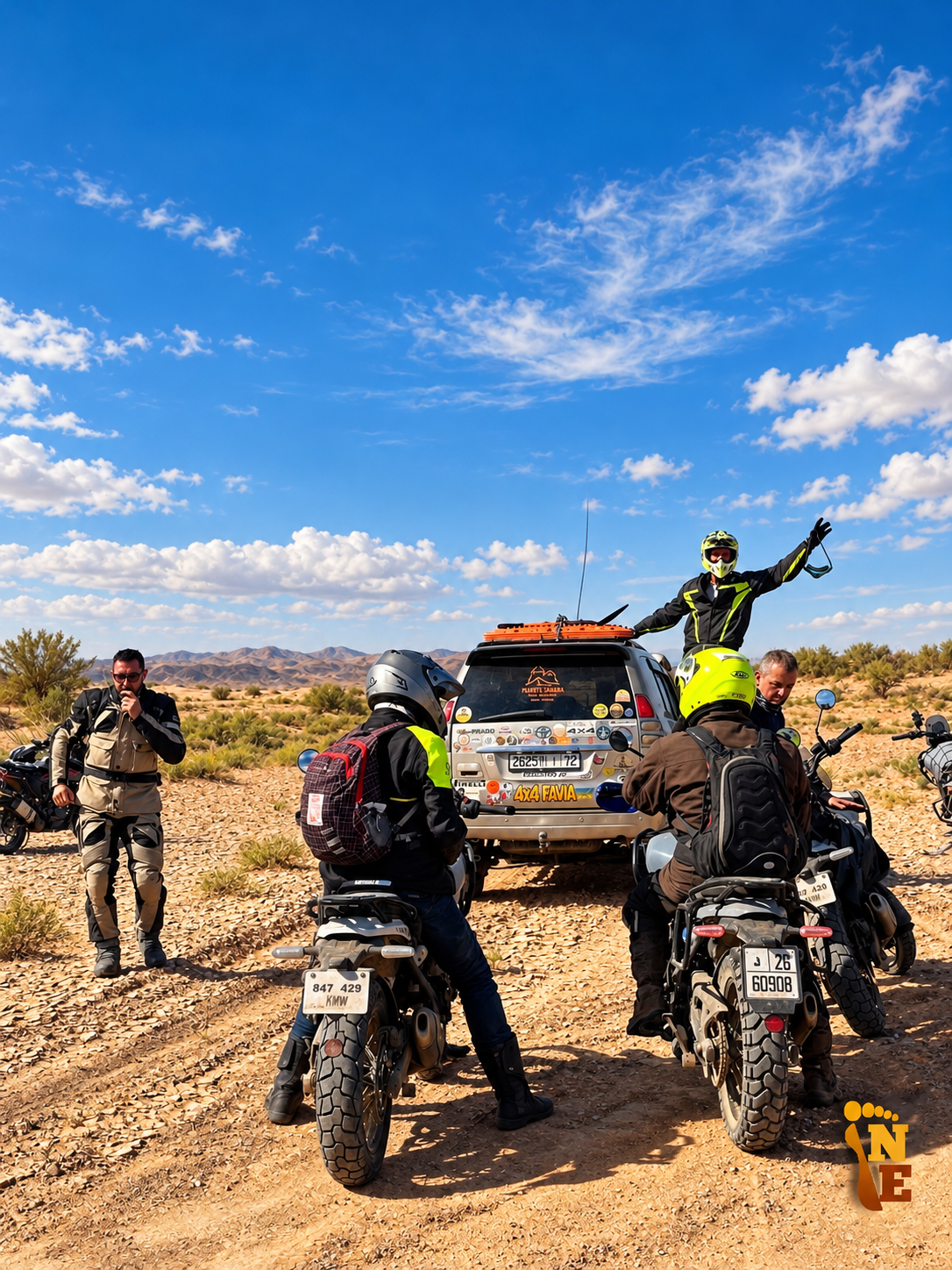
12. What Are the Best Places to Visit in Zagora and the Drâa Valley?
Zagora is one of the most important destinations in southern Morocco and an excellent starting point for exploring the magnificent Drâa Valley.
Among the most interesting places and experiences are the vast palm groves, traditional kasbahs, small oases and historic villages.
Depending on the chosen itinerary, the journey can also include a visit to Tamegroute, renowned for its traditional pottery craftsmanship and rich cultural heritage.

13. What Is the Difference Between Erg Chebbi and Erg Chegaga?
Both are vast sand dune fields in the Moroccan Sahara, but they offer different experiences.
Erg Chebbi is located near Merzouga and is relatively easy to reach by road.
Erg Chegaga, on the other hand, is more remote and farther from major settlements, requiring travellers to follow desert tracks to reach its dunes.
Erg Chebbi is renowned for its stunning colours and spectacular panoramic views, while Erg Chegaga is particularly appreciated for its sense of vastness, tranquillity and isolation in the heart of the Sahara Desert.
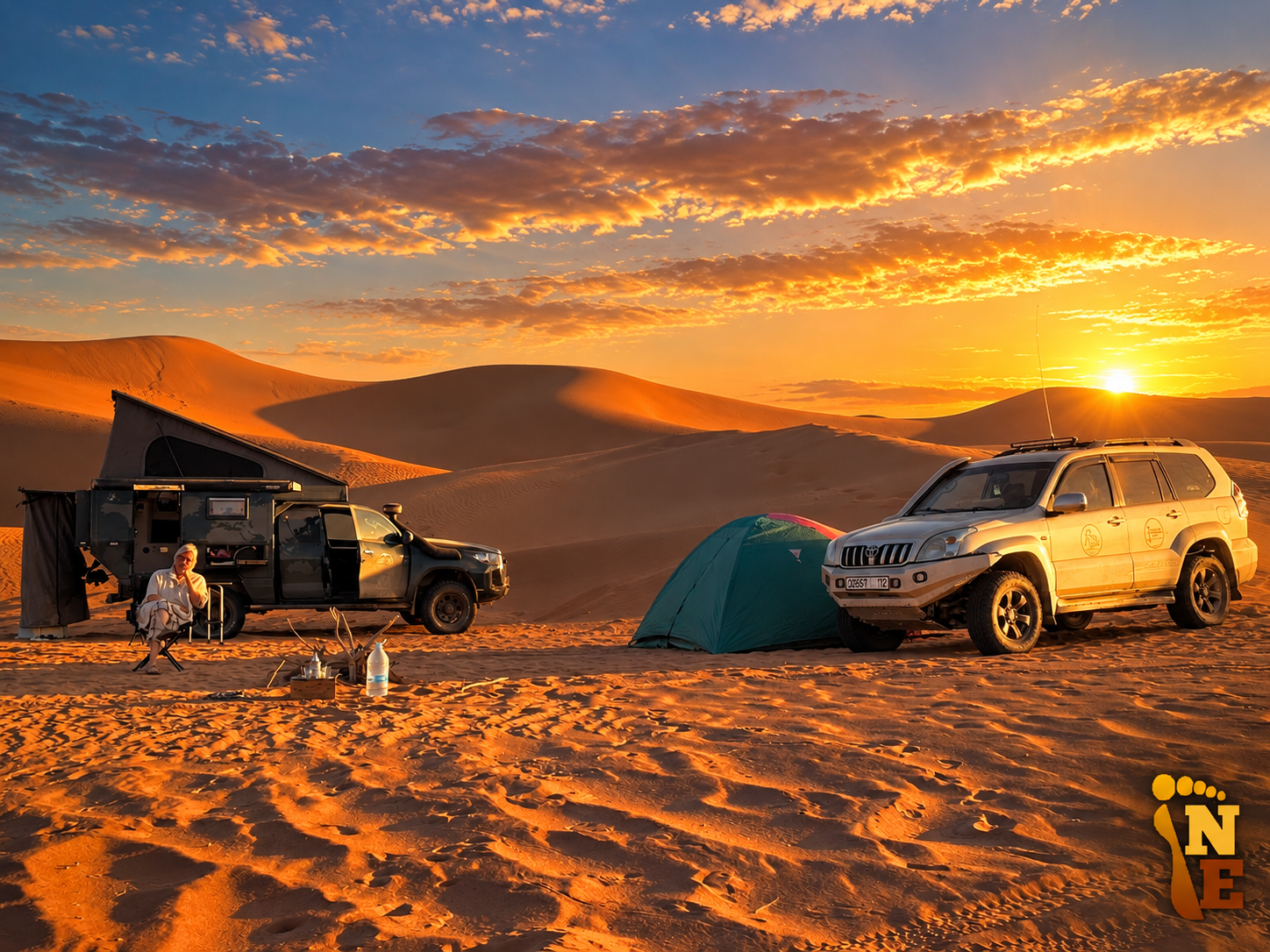
14. Is It Possible to Stay Overnight in the Desert During the Expedition?
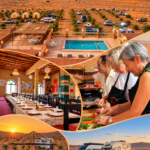
Yes. Depending on the tour package booked, the itinerary may include overnight stays in traditional accommodation, small desert hotels, kasbahs or desert camps.
Spending a night in the Sahara is one of the most memorable experiences of the journey: watching a breathtaking sunset, enjoying the peaceful silence of the desert and admiring a spectacular sky filled with stars.
The type of accommodation, facilities and services provided should be confirmed before making a reservation.
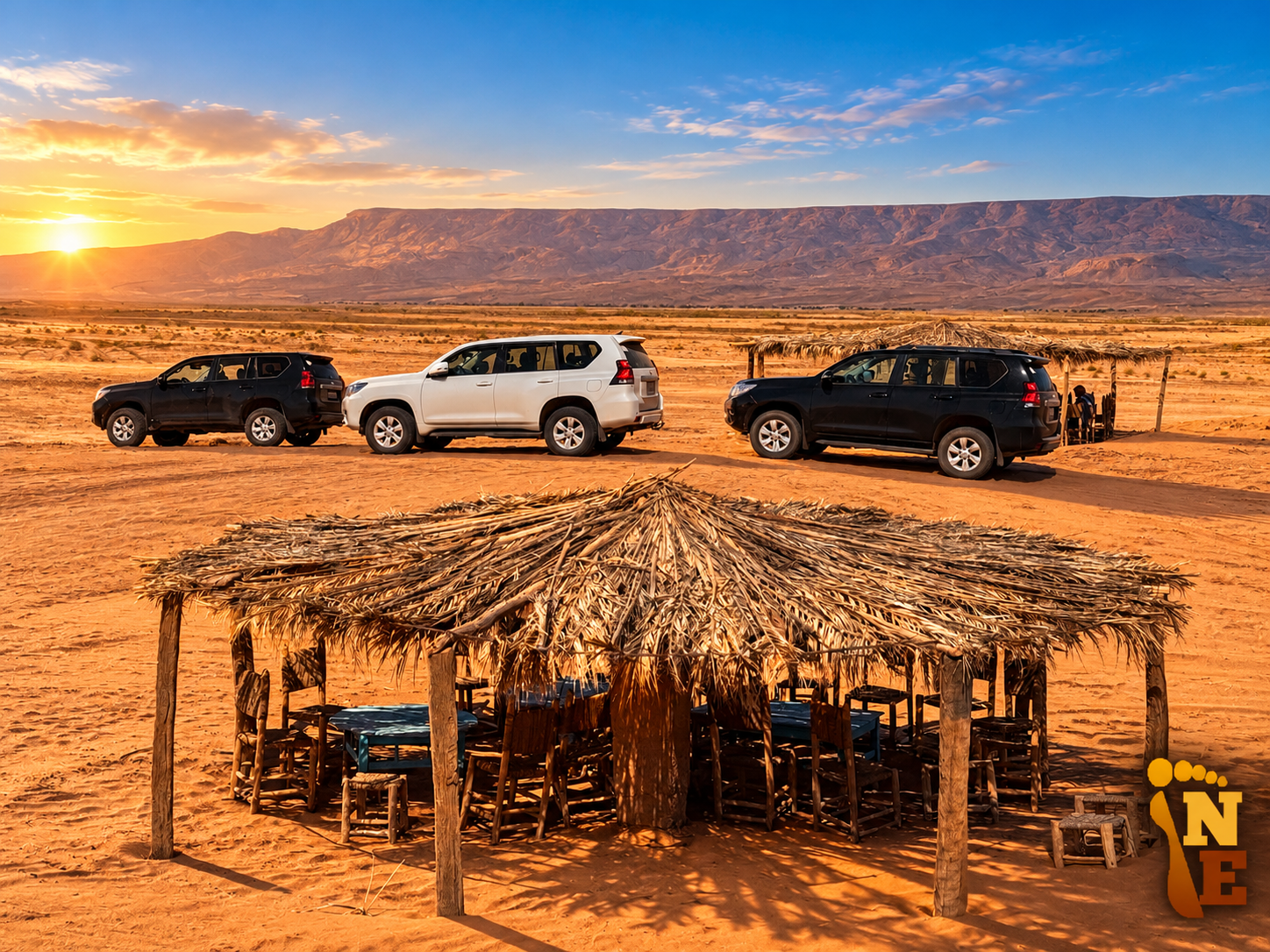
15. What Is Lake Iriki and Can It Be Crossed by 4×4?
Lake Iriki is a former lake system located in a desert region of southern Morocco, within Iriki National Park.
It usually consists of vast, dry expanses, but it can accumulate water following heavy rainfall.
Crossing Lake Iriki in a 4×4 vehicle depends on ground conditions and the local environment. When the lakebed is flooded or muddy, it is essential to avoid crossing and use alternative permitted routes.
With its vast open landscapes and unique natural surroundings, Lake Iriki is one of the most remarkable natural highlights of this Off-Road expedition through the Moroccan Sahara.
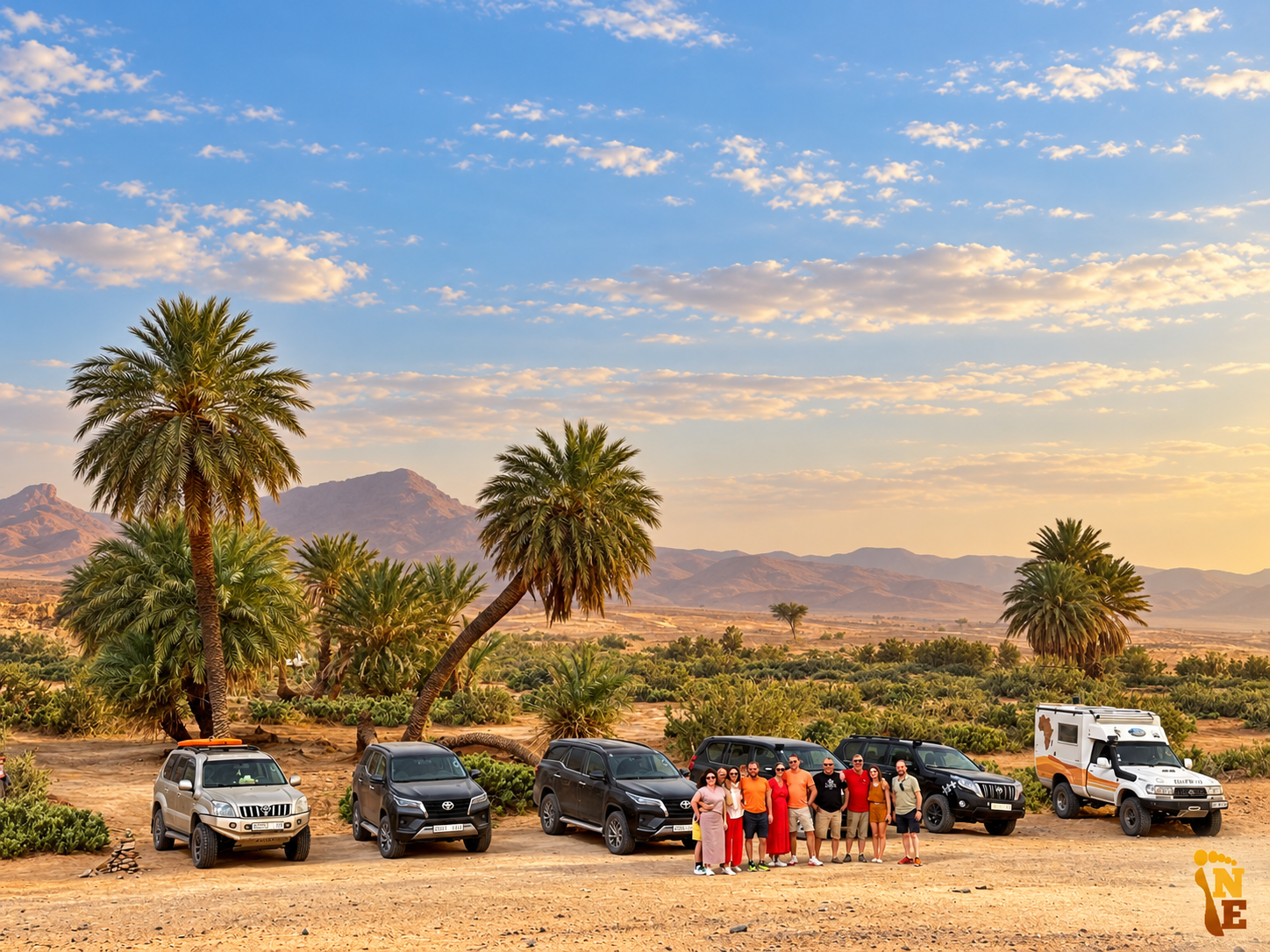
16. What Can You Visit in Foum Zguid?
Foum Zguid is a town located on the western edge of the vast desert landscapes of Iriki and Chegaga.
The surrounding area offers remote desert tracks, spectacular mountain scenery, arid plains and traditional routes leading towards the Anti-Atlas Mountains.
It is an excellent destination after crossing the Sahara and an ideal starting point for continuing the adventure into other regions of southern Morocco.
17. Is It Possible to Continue from Foum Zguid to Tata?
Yes, it is possible to extend the expedition to Tata.
The journey can continue along a combination of accessible desert tracks and paved roads, depending on the planned itinerary and any current restrictions.
Tata offers landscapes that are very different from the vast sand dunes of the Sahara, including impressive mountains, beautiful oases, picturesque valleys, palm groves and traditional villages with distinctive local architecture.
This extension is particularly appealing to travellers who wish to continue their Off-Road adventure and explore more of the breathtaking landscapes of southern Morocco.
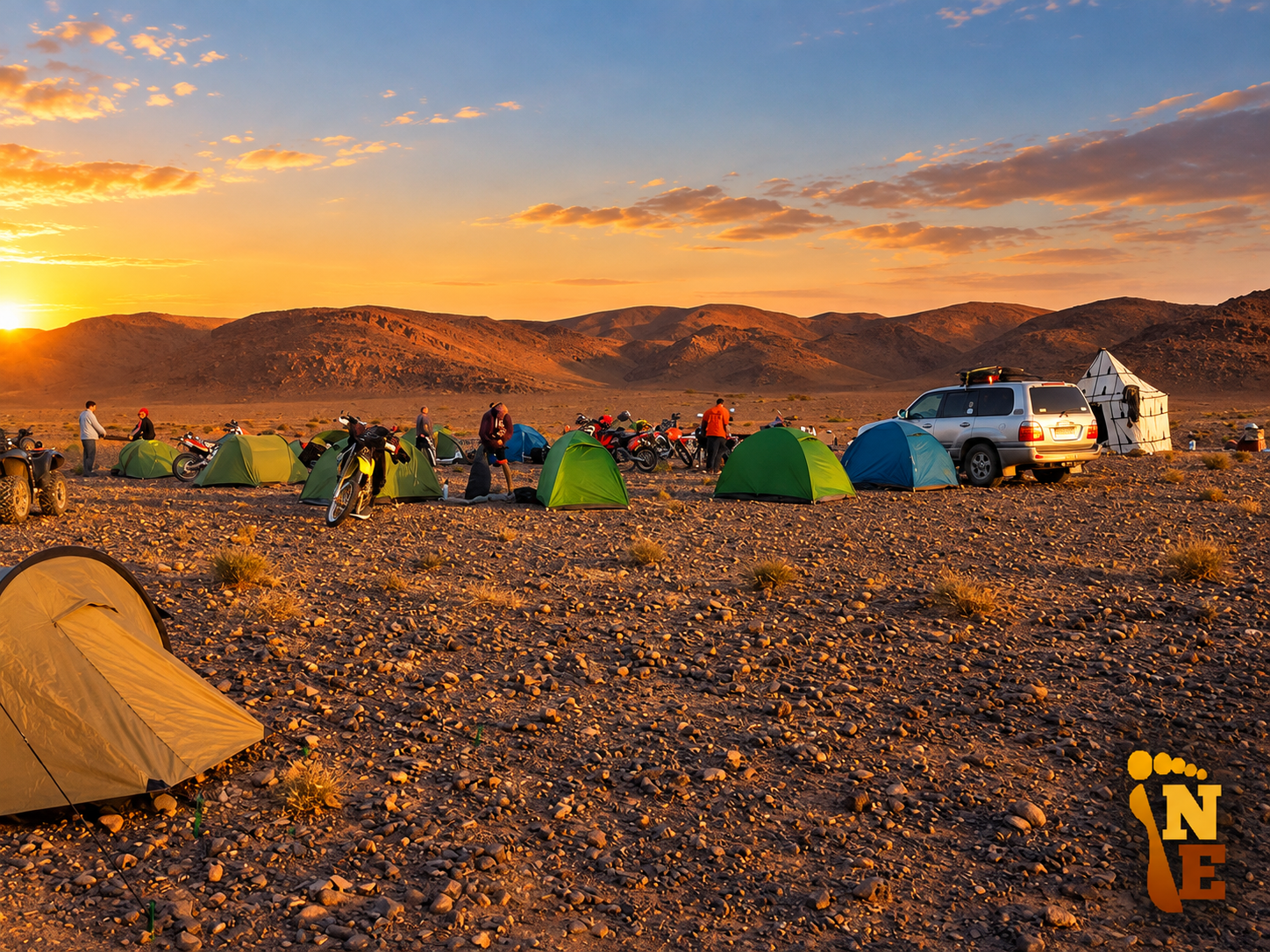
18. How Many Kilometres Does the Complete Expedition Cover?
There is no fixed distance for this expedition.
The total distance depends on the selected desert tracks, any necessary alternative routes, detours to dunes and oases, and whether the extension to Tata is included.
Before setting off, a provisional itinerary should be established, outlining the different stages and assistance points along the route.
It is important to remember that driving 100 kilometres on desert tracks can take considerably longer than covering the same distance on a paved road.
19. Is This Off-Road Route Suitable for Children and Families?
Some sections of the expedition can be adapted for family trips in 4×4 vehicles driven by experienced drivers.
However, a long expedition along remote desert tracks can be demanding for young children or travellers who are not accustomed to spending many hours in a vehicle.
The itinerary should be planned according to the ages of the participants, their health conditions, the duration of each driving day and the available accommodation facilities.
20. Is This Route Suitable for Beginners?
The experience can be partially adapted for travellers with no previous Off-Road driving experience when they participate as passengers in a 4×4 vehicle driven by a professional.
However, driving independently through challenging sandy sections and remote terrain requires appropriate training or sufficient Off-Road driving experience.
The difficulty level of each stage should be clearly established before booking the expedition.
21. Is There Mobile Phone Coverage and Internet Access During the Expedition?
Mobile phone coverage is generally available in the main towns and villages. However, in many remote desert areas, the signal may be weak or completely unavailable.
For this reason, travellers should never rely exclusively on their mobile phones for navigation or emergency assistance.
When travelling through isolated regions, it is advisable to carry appropriate navigation systems, offline maps and emergency communication equipment.
22. What Happens If It Rains During the Desert Expedition?
Rainfall can completely change the conditions of certain desert tracks.
Dry riverbeds can suddenly fill with water, tracks may become damaged, and the vast plains of Lake Iriki can turn into extremely soft and muddy terrain.
In such situations, it is essential to modify the itinerary, wait for conditions to improve or choose safer alternative routes.
Flexibility is an essential part of any responsibly organised expedition through the Sahara Desert.
23. What Clothing and Equipment Do We Recommend?
We recommend bringing comfortable clothing, lightweight garments for daytime activities and sufficiently warm clothing for the evenings.
Other essential items include good-quality sunglasses, sunscreen, a scarf to protect against dust, closed-toe footwear and a windproof jacket.
During winter, it is advisable to bring thermal clothing, as night-time temperatures in the desert can drop considerably.
24. Is It Safe to Travel Along the Tracks of the Moroccan Sahara?
A well-organised expedition, with suitable vehicles, careful planning, emergency equipment and a thorough knowledge of the terrain, can significantly reduce potential risks.
However, no Off-Road activity is entirely free from danger.
It is essential to avoid driving at night on unfamiliar tracks, respect restricted-access areas, check weather conditions and follow the instructions of local guides and authorities.
25. How Can I Book an Off-Road Expedition with NOMAD EXPEDITION?
To organise your adventure, contact NOMAD EXPEDITION and let us know your preferred travel dates, the number of participants, the number of days available and the type of experience you are looking for.
You can explore the available options for itineraries, accommodation, vehicles, assistance and activities.
Discover the authentic Sahara with NOMAD EXPEDITION and experience an unforgettable adventure along the legendary tracks of southern Morocco.
Are You Ready to Discover the Real Sahara?
Experience an extraordinary adventure along the historic desert tracks of southern Morocco with NOMAD EXPEDITION.
From the magnificent dunes of Merzouga to the breathtaking landscapes of Erg Chegaga, Lake Iriki and Foum Zguid, every stage of the journey will bring you closer to the true essence of the Sahara Desert.